A Guide to Artisanal Mustards: Varieties, Flavors, and Perfect Pairings
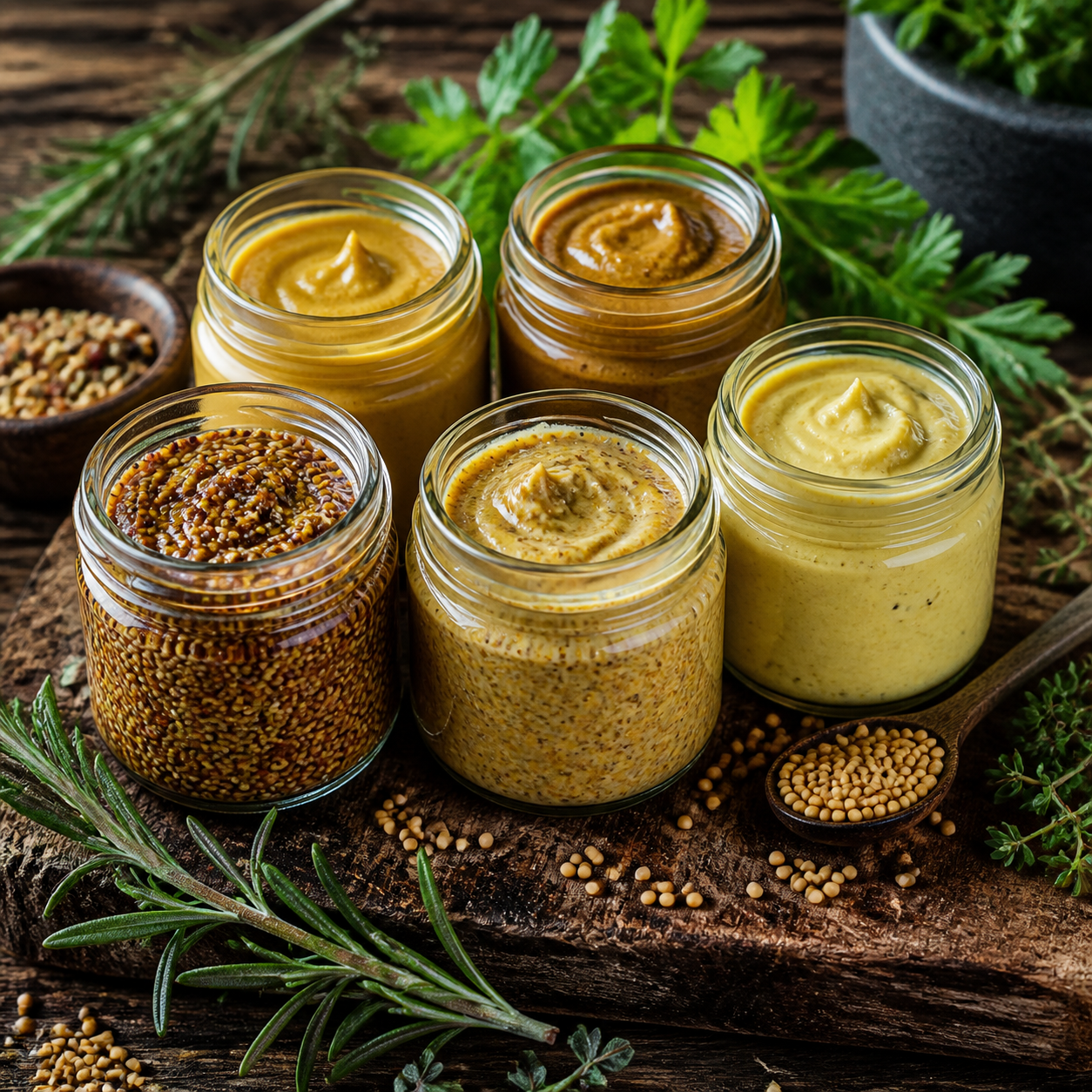
Mustard is one of the oldest condiments in the world, yet most people have only scratched the surface of what it can be. Artisanal mustards — made in small batches with carefully sourced seeds, quality vinegars, and intentional flavor combinations — are a different category entirely from the squeeze bottle on a diner table. Once you taste the difference, there's no going back.
What Makes a Mustard "Artisanal"?
An artisanal mustard is one made in small batches using traditional methods, quality ingredients, and deliberate flavor decisions — not one optimized for shelf life and mass distribution. The distinction matters more than it might seem.
Commercial mustards typically rely on mustard powder, stabilizers, and high-heat processing that strips away volatile compounds responsible for depth and aroma. Artisan producers start with whole mustard seeds, grind or crack them to order, and build their brine from scratch using wine, craft vinegar, or fermented liquids. The result is a condiment with a living complexity — layers of heat, acidity, and finish that change slightly as the jar ages.
Ingredient sourcing is another marker. Artisan makers tend to specify seed origin (Canadian yellow, Indian black, Pacific Northwest brown) and choose vinegars with character — apple cider, white wine, champagne — rather than generic distilled acid. Every decision in the process shapes what ends up on your plate.
The Role of Mustard Seeds: Where Flavor Begins
The seed variety determines the mustard's fundamental character before any other ingredient enters the picture. Yellow, brown, and black mustard seeds each bring a distinct flavor signature, and most artisanal mustards are built around one or a blend of all three.
- Yellow mustard seeds (also called white seeds) are the mildest of the three. They produce a bright, tangy flavor with low heat and a slightly earthy finish. Most American-style mustards lean on yellow seeds, which is why they're crowd-pleasing but rarely complex.
- Brown mustard seeds carry significantly more heat and a sharper, more assertive bite. Dijon mustard is built on brown seeds, which explains its characteristic punch. They also have a slightly nutty, almost horseradish-like quality when freshly ground.
- Black mustard seeds are the most pungent of the three — intense, almost smoky, with heat that blooms slowly and lingers. They're less common in Western condiment traditions but appear in some specialty and spiced artisanal blends.
Whole seeds left intact in the finished mustard contribute texture and a delayed heat release. Cracked or finely ground seeds integrate into the brine more completely, creating a smoother, more uniform heat. This is why seed treatment is as important as seed selection.
A Tour of Artisanal Mustard Varieties
Artisanal mustard falls into a handful of recognizable styles, each with its own texture, heat level, and best uses. Understanding these categories makes it easier to build a collection that covers every occasion.
Whole Grain Mustard
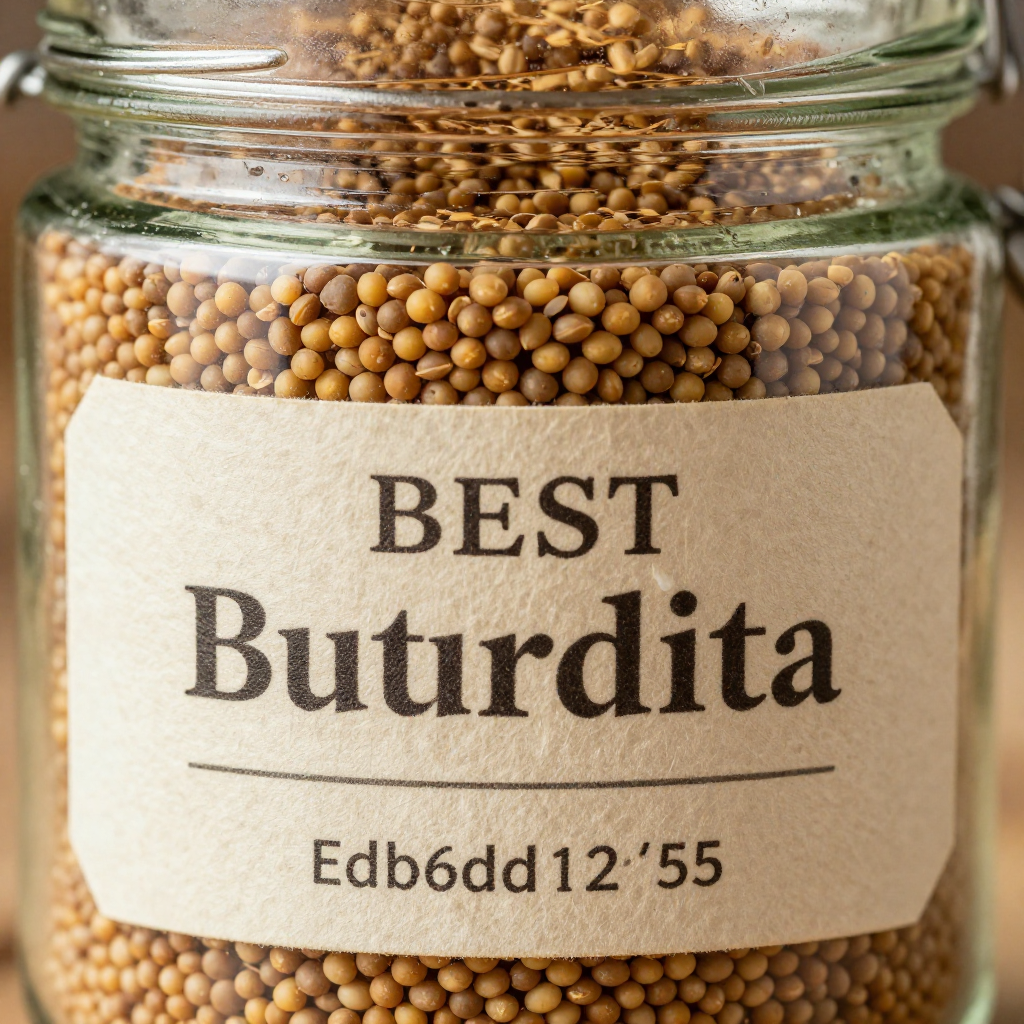
Whole grain mustard keeps the seeds largely intact, producing a coarse, textured spread with pops of flavor as you eat it. The heat is present but measured, and the vinegar or wine brine gives it a pleasant sharpness. It's visually striking — the kind of mustard that looks as good as it tastes on a board.
Dijon Mustard
True Dijon is made with brown mustard seeds and white wine or verjuice, producing a smooth, pale yellow paste with clean, direct heat. Artisanal Dijon has a more rounded acidity and a longer finish than its commercial counterpart. It's the most versatile style in a working kitchen.
Stone-Ground Mustard
Stone-ground mustard sits between whole grain and smooth Dijon. The seeds are ground on stone mills, which generates less heat than steel grinding and preserves more of the seed's natural oils and aromatics. The result is a slightly rustic texture with exceptional depth — earthy, tangy, and satisfying.
Honey Mustard
Artisanal honey mustard is nothing like the cloyingly sweet commercial version. When made with raw or varietal honey and a quality mustard base, it achieves a genuine balance: floral sweetness up front, mustard heat on the finish. The honey variety matters — buckwheat honey produces a darker, more robust result than clover.
Spiced and Specialty Mustards
This is where artisan makers get creative. Tarragon mustard, horseradish mustard, smoked mustard, beer mustard — each style takes a well-built base and adds a secondary flavor dimension. These are conversation-starters on a board and powerful tools in a kitchen.
How to Read a Mustard's Heat and Flavor Profile
Choosing the right mustard is easier when you know what to look for on the label and what to expect in the jar. Four variables define any mustard's character: pungency, acidity, sweetness, and texture.
Pungency comes from isothiocyanates — the compounds released when mustard seeds are cracked and mixed with liquid. Cold water activates the most heat; vinegar and wine slow the reaction and preserve it. A mustard made with cold water and left to rest will be sharper than one made with hot liquid, which drives off volatile compounds quickly.
Acidity shapes how the heat is delivered. Wine-based brine gives a soft, rounded tartness. Apple cider vinegar adds a fruity brightness. Champagne vinegar is the most delicate. The more acidic the brine, the more the heat is held in check — which is why Dijon can feel simultaneously sharp and controlled.
Sweetness, when present, softens both heat and acidity. Even a small amount of honey or sugar shifts the entire flavor arc. And texture — whether smooth, stone-ground, or whole grain — changes the eating experience as much as the flavor does. A coarse mustard delivers flavor in bursts; a smooth one coats evenly and integrates into sauces more readily.
Food Pairings: Matching Mustard to the Moment
The right mustard pairing depends on the dish, the protein, and the role you want the mustard to play — background note or starring flavor. Here's a practical framework.
Charcuterie and cured meats are mustard's natural territory. Rich, fatty meats like pâté and rillettes call for the cut of a sharp Dijon or stone-ground mustard. Salami and cured sausages pair well with whole grain mustard, where the texture contrast adds interest. Prosciutto, being delicate, works better with a honey mustard that won't overpower it.
For roasted and grilled meats, stone-ground and Dijon are workhorses. A spoonful of Dijon stirred into pan drippings with cream makes a classic sauce. Stone-ground mustard rubbed onto pork loin before roasting creates a crust with complex flavor. Honey mustard glazed over chicken thighs caramelizes beautifully under heat.
With cheese, the pairing logic mirrors wine: sharp mustards complement aged, hard cheeses (cheddar, Gruyère, Comté), while milder whole grain varieties work with fresh or semi-soft cheeses. Avoid overpowering delicate cheeses like fresh chèvre with anything too aggressive.
On sandwiches and tartines, the mustard is often the only condiment, so it carries the whole flavor story. Whole grain mustard on a smoked salmon open sandwich. Dijon with roast beef and arugula. Honey mustard with turkey and brie. Each combination works because the mustard bridges the other ingredients rather than competing with them.
Building a Mustard Board or Tasting Flight
Presenting three to five artisanal mustards as a curated tasting experience is one of the most impressive — and underused — ideas in home entertaining. It's simpler to execute than a full charcuterie spread and generates genuine conversation.
Start by selecting mustards that span the flavor spectrum: a smooth Dijon for heat, a whole grain for texture, a honey mustard for sweetness, and one specialty variety (smoked, horseradish, or herb-forward) for contrast. Small ceramic ramekins or the original jars work well for presentation.
Pair the flight with accompaniments that let each mustard shine: sliced cured meats, a selection of aged and fresh cheeses, cornichons, crusty bread, and a few raw vegetables. Label each mustard with a brief tasting note — even just "sharp and tangy" or "sweet with a warm finish" — so guests know what to expect.
The tasting order matters. Move from mild to bold: honey mustard first, whole grain second, Dijon third, specialty last. This lets the palate build rather than getting overwhelmed early.
How to Store and Get the Most from Artisanal Mustards
Artisanal mustards last well when stored correctly, and their flavor often improves in the weeks after opening as the ingredients integrate. The basic rule: refrigerate after opening and keep the lid tight.
Unlike commercial mustards loaded with preservatives, small-batch mustards rely on their vinegar or wine content for stability. Most will hold well for three to six months in the refrigerator. A slight darkening on the surface is normal — just stir it back in. If the mustard develops an off smell or visible mold, it's time to replace it.
To get the most out of each jar, let the mustard come to room temperature for 10 to 15 minutes before serving. Cold dulls aroma and softens the heat. At room temperature, the full flavor profile opens up — which is why mustard served straight from the fridge rarely tastes as good as it should.
Don't relegate artisanal mustard to the condiment shelf only. Use it in vinaigrettes (Dijon is a natural emulsifier), stir it into mayonnaise, add it to marinades, or whisk it into butter for a compound spread. A jar that gets used in cooking as well as at the table will never go to waste.
Frequently Asked Questions
What is the difference between Dijon and whole grain mustard?
Dijon mustard is smooth, made from ground brown mustard seeds with wine or verjuice, and delivers clean, direct heat. Whole grain mustard keeps the seeds largely intact, producing a coarser texture with a more layered, slightly milder flavor. Dijon integrates seamlessly into sauces; whole grain adds visual and textural interest to boards and sandwiches.
How spicy are artisanal mustards compared to yellow mustard?
Most artisanal mustards — especially those built on brown seeds — are noticeably more pungent than standard yellow mustard. That said, heat varies widely by style: honey mustard is mild, whole grain is moderate, and Dijon or stone-ground can be quite sharp. The heat in quality mustard is also more complex, with a clean finish rather than a flat burn.
Can I use artisanal mustard in cooking, or is it best as a condiment?
Artisanal mustard excels in cooking. Dijon is an essential emulsifier in vinaigrettes and cream sauces. Stone-ground mustard makes an excellent rub or marinade base. Honey mustard creates a beautiful glaze. The only caveat: prolonged high heat softens the pungency, so add mustard toward the end of cooking when you want its flavor to remain prominent.
How long does an opened jar of artisanal mustard last?
Refrigerated and sealed between uses, most artisanal mustards remain at peak quality for three to six months after opening. The vinegar or wine content acts as a natural preservative. Always use a clean utensil to avoid introducing bacteria, and check for off aromas or texture changes before using an older jar.
Which mustard pairs best with a charcuterie board?
Whole grain mustard is the classic charcuterie companion — its texture and moderate heat complement most cured meats without overwhelming them. For a more dynamic board, add a sharp Dijon alongside it. If the spread includes sweeter or more delicate items, a honey mustard rounds out the selection beautifully.