Best Condiment and Food Pairings for Grilling Season
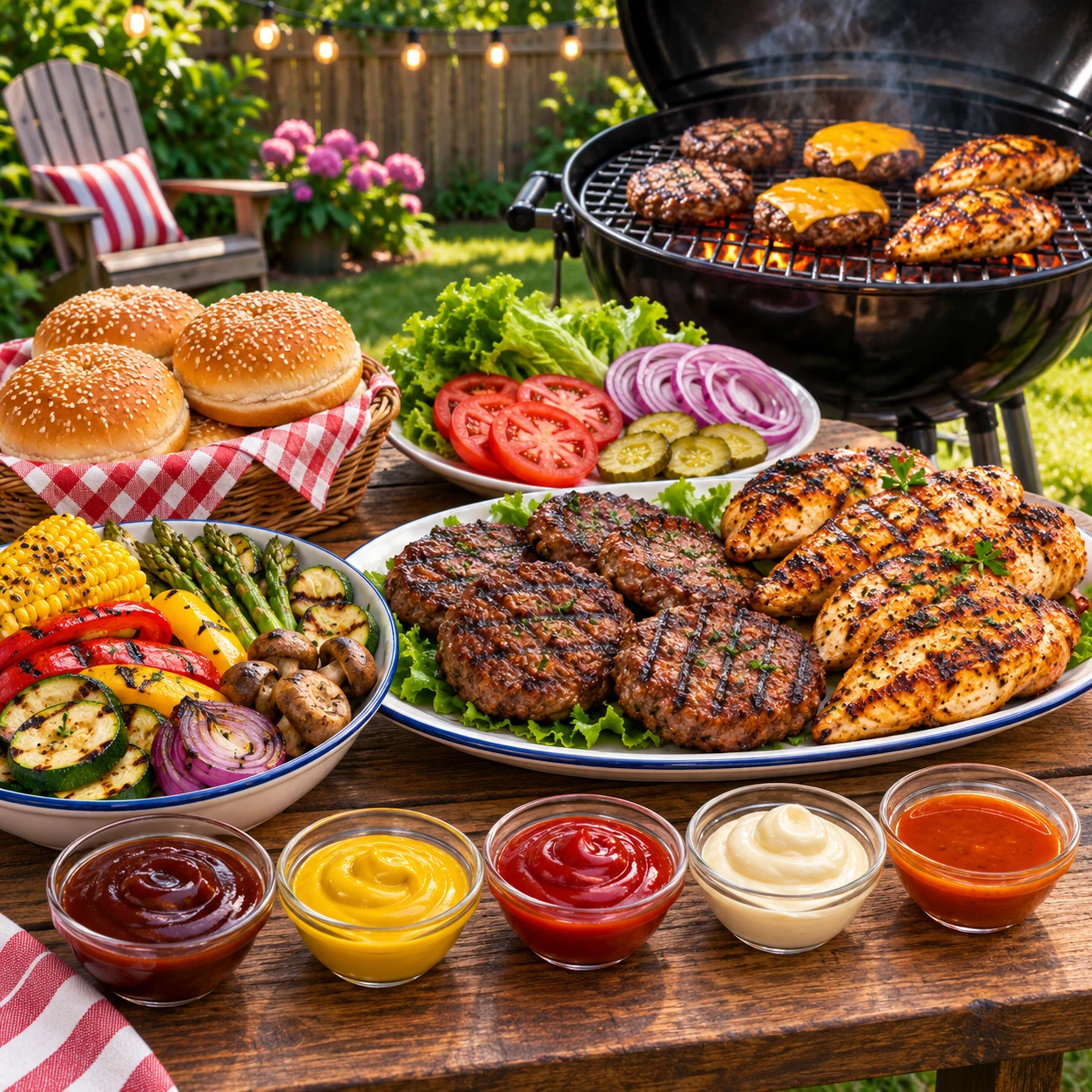
A good condiment pairing can make a familiar grilled meal taste brighter, richer, or more balanced. The key is to match the sauce to the food’s texture and flavor: smoky barbecue sauce suits ribs, while tangy mustard can cut through a juicy burger.
Use these combinations as starting points, then adjust for your preferred level of heat, sweetness, and richness. There is no single best sauce for every grill; the right choice depends on what is cooking and what the rest of the plate needs.
Build a better burger with the right condiments
The best burger condiments complement the patty’s richness without hiding its flavor. Start with ketchup, mustard, or mayonnaise, then add one contrasting element such as pickles, hot sauce, or barbecue sauce.
For a classic beef burger, combine ketchup and mustard: ketchup brings sweetness, while mustard adds acidity and a mild bite. Mayonnaise contributes a creamy layer that helps a lean patty feel more luscious, though a thick spread can make an already rich burger feel heavy.
For a bolder option, use a thin layer of barbecue sauce with sharp pickles or sliced onion. The sauce’s sweetness plays well with grilled beef, and the pickles keep each bite from tasting too sweet. Add hot sauce if you want heat; start with a few drops so it does not overwhelm the charred flavor.
- Beef: mustard, ketchup, mayonnaise, pickles, or a modest swipe of barbecue sauce.
- Grilled chicken: mayonnaise with hot sauce, or mustard with crunchy slaw.
- Plant-based patties: ketchup and mustard for a familiar profile, or mayonnaise and hot sauce for creamy heat. Check labels if you need a vegan condiment.
Keep the bun and toppings in mind. A soft, rich bun may need sharper condiments, while a spicy patty often benefits from cooling mayonnaise. Offer sauces on the side when serving a crowd so guests can choose their own balance.
Match barbecue sauce to grilled meats
Barbecue sauce pairs well with grilled meats when its sweetness, tang, and spice suit the protein. Use bold, sticky sauce for ribs, and choose a lighter hand with chicken or other delicate grilled proteins.
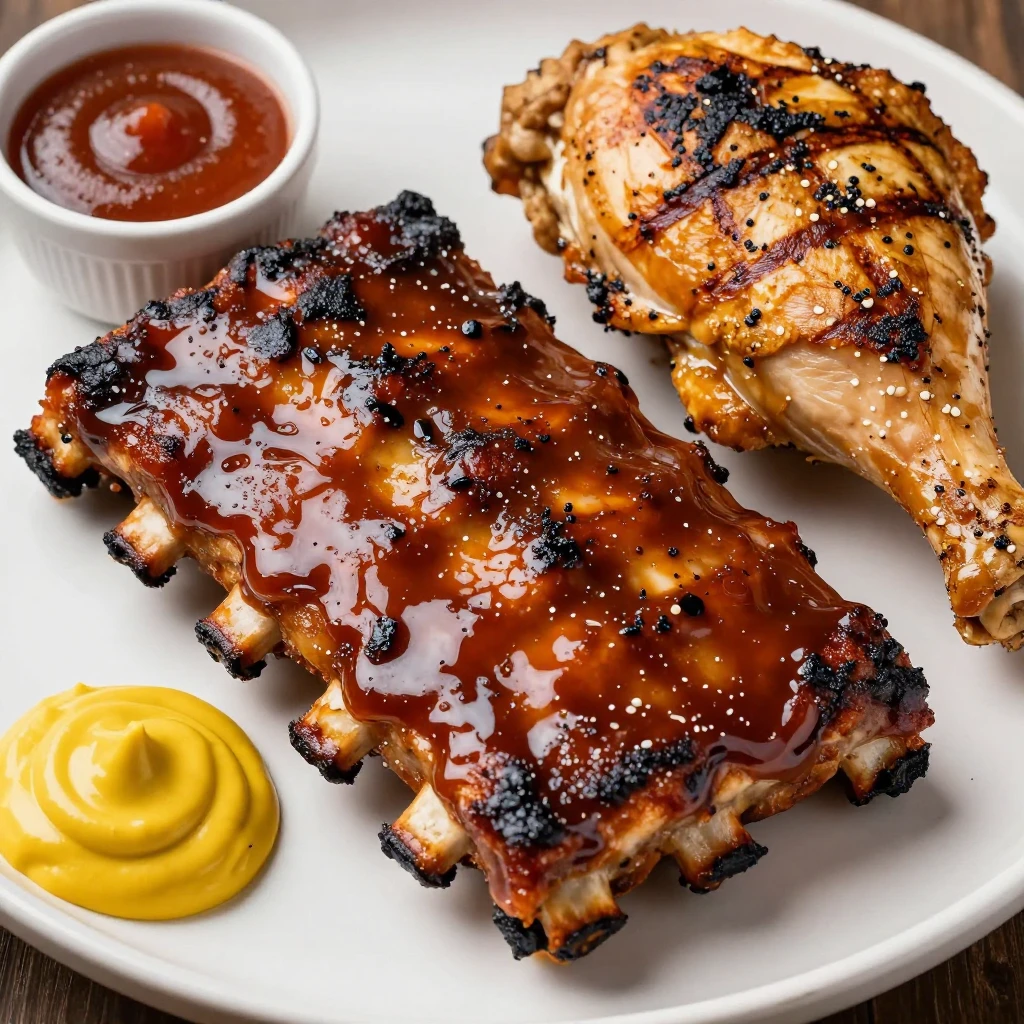
Ribs can stand up to a robust barbecue sauce, especially one with a balance of sweet and tangy flavors. Brush it on near the end of cooking, when the meat is nearly done, to build a glossy coating without letting sugars scorch. Serve extra sauce at the table for guests who want a stronger flavor.
Grilled chicken is versatile, so pair it according to the seasoning. A smoky or sweet barbecue sauce works with simply seasoned chicken; mustard-based sauce adds tang to richer cuts; and hot sauce brings a lively finish to mild grilled chicken breast. For a fresh contrast, serve chicken with a creamy dip or a squeeze of citrus alongside the sauce.
For other grilled proteins, keep the condiment proportional. A small amount of barbecue sauce can complement pork, while a sharp mustard or herb-forward dip may suit seafood better than a heavy, sweet glaze. The trade-off is simple: richer sauces add body, but too much can bury the meat’s natural taste.
Add flavor to grilled vegetables
Grilled vegetables pair well with condiments that brighten their smoky, charred edges or add a creamy counterpoint. Try mustard, mayonnaise-based dips, hot sauce, or a light barbecue glaze, depending on the vegetable and how it is seasoned.
Sweet vegetables such as corn, bell peppers, and onions can handle tangy mustard or a few drops of hot sauce. For zucchini, eggplant, or mushrooms, a creamy mayonnaise dip adds richness to their tender texture. A thin brush of barbecue sauce can work on sturdy vegetables, but apply it late so the sugars do not burn over the heat.
Think about the full plate. If the vegetables are served beside ribs with sweet barbecue sauce, choose a sharper dip to create contrast. If the main dish is spicy, keep vegetable condiments mild and cooling. A small bowl of mayonnaise mixed with mustard makes a quick dip for grilled potatoes, corn, and vegetable skewers.
Serve dips separately rather than coating every vegetable in advance. This keeps crisp edges intact and lets guests control how much sauce they use. For a lighter finish, offer hot sauce or mustard alongside a creamy option rather than making every condiment rich.
Use marinades, glazes, and finishing sauces
Marinades season food before grilling, glazes build a surface coating during cooking, and finishing sauces are added after the food comes off the heat. Using each at the right time helps protect flavor and avoid scorched sauces.
A marinade works before cooking, giving ingredients time to take on flavor. Mustard can add tang and help herbs and spices cling to chicken or vegetables. A condiment-based marinade should be treated as a seasoning layer, not a guarantee of tenderizing; follow safe food-handling practices and keep raw-meat marinade away from ready-to-eat food unless it has been safely cooked.
A glaze is thicker and is usually brushed on toward the end of grilling. Barbecue sauce is a common choice for ribs and chicken, but its sugars can darken quickly over direct heat. Apply a thin coat during the final minutes, turn the food as needed, and move it away from intense flames if the surface starts to char too fast.
A finishing sauce goes on after cooking or sits on the table for dipping. Ketchup, mustard, mayonnaise, and hot sauce all work this way. This last step preserves their fresh tang and gives each person control over the final flavor.
Balance heat, sweetness, tang, and richness
To balance condiments, identify what the grilled food already has, then add a flavor that fills the gap. Sweet barbecue sauce benefits from tang, a rich burger welcomes acidity, and mild chicken can take more heat or spice.
Use this four-part check before mixing or serving sauces:
- Heat: Hot sauce adds sharpness and warmth. Pair it with mayonnaise or a mild, sweet sauce if you want to soften the burn.
- Sweetness: Ketchup and many barbecue sauces bring sweetness. Mustard or pickles can keep the meal from feeling cloying.
- Tang: Mustard adds acidity and bite, which can lift fatty burgers, ribs, and creamy dips.
- Richness: Mayonnaise adds a smooth, creamy texture. Balance it with mustard, hot sauce, or crisp vegetables.
One common misstep is stacking several strong sauces on the same food. A burger with sweet barbecue sauce, ketchup, and a sugary topping may lose the savory taste of the patty. Pick one main condiment, then add a contrasting accent. Taste as you go, especially when combining sauces that are already salty or sweet.
Put together a versatile grilling-season condiment spread
A versatile grilling-season condiment spread includes a familiar sweet option, a tangy option, a creamy option, and a source of heat. This small selection covers burgers, chicken, ribs, and grilled vegetables without crowding the table.
For a simple cookout setup, serve:
- Ketchup for burgers, fries, and guests who prefer a sweet, familiar sauce.
- Mustard for tangy contrast on burgers, chicken, and grilled vegetables.
- Mayonnaise for creamy burgers and dips, with a clearly labeled plant-based alternative if needed.
- Barbecue sauce for ribs and grilled chicken, served separately as well as used for glazing.
- Hot sauce for guests who want extra heat without changing the whole batch of food.
Use clean serving spoons and separate utensils for raw and cooked food. Keep perishable condiments chilled when they are not being served, and bring out smaller portions that can be replenished. That is easier to manage than leaving every bottle open on the table for the entire cookout.
For a well-rounded plate, pair one rich or sweet sauce with one bright, sharp option. Set out the condiments, let guests experiment, and keep the food itself at the center of the meal.