Exploring Global Hot Sauce Cultures: From Sriracha to Harissa
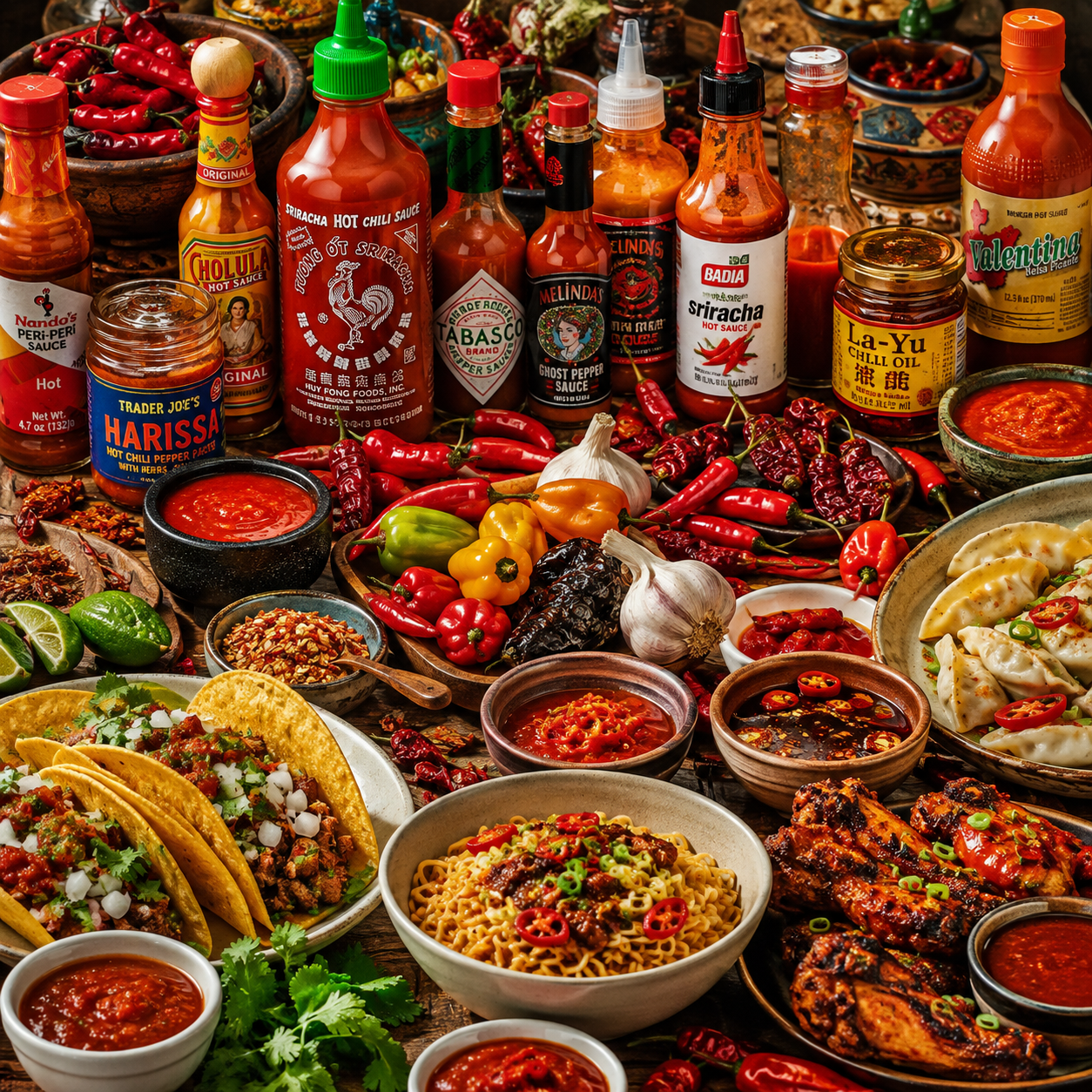
Hot sauce is a small bottle with a wide culinary vocabulary. Across regional cuisines, cooks use chili peppers to add warmth, acidity, aroma, color, and personality to everyday food. Some sauces are thin and vinegar-forward; others are thick, oily, fermented, smoky, or rich with herbs and spices.
That variety makes global hot sauce culture especially rewarding to explore. Sriracha and Harissa may both bring chili heat, yet they create very different experiences at the table. Understanding their ingredients and flavor profiles helps you choose a sauce for the dish rather than chasing heat alone.
Why Hot Sauce Is a Global Culinary Tradition
Hot sauce is a global culinary tradition because it preserves, seasons, and personalizes food through local ingredients and preparation methods. The same basic idea, combining chili peppers with liquid, aromatics, or spices, produces distinct sauces in different regional cuisines.
Chili peppers originated in the Americas and spread widely through trade and cultural exchange. Once they reached new culinary landscapes, cooks combined them with familiar ingredients such as vinegar, garlic, citrus, herbs, oil, and fermented foods. The result was never one universal formula.
Preparation matters as much as the pepper. A sauce may be blended raw, simmered into a smooth condiment, crushed into a coarse paste, or left to develop through fermentation. Texture changes how heat arrives: a thin sauce spreads quickly across the palate, while a dense paste coats food and carries more aromatic depth.
Hot sauce also reflects how people eat. A bottle at the table allows diners to adjust a finished meal, while a chili paste may form part of a marinade, stew base, or cooking mixture. That distinction explains why two sauces with similar heat can have completely different culinary roles.
Sriracha: Sweet, Garlicky Heat from Southeast Asian-Inspired Cuisine
Sriracha is a smooth chili sauce known for its balance of red peppers, garlic, sweetness, and acidity. Its approachable heat and pourable texture make it useful at the table, in dipping sauces, and in quick everyday cooking.
The name refers to a style associated with Si Racha in Thailand, although familiar commercial versions vary by producer and market. Sriracha typically combines chili peppers with garlic, sugar, salt, and an acidic element such as vinegar. The exact balance determines whether the sauce tastes bright, jammy, sharp, or savory.
Its defining quality is proportion. Garlic gives the sauce a rounded savory note, while sweetness softens the chili’s edge. Vinegar adds lift and keeps rich foods from feeling heavy. The result can taste bold without overwhelming delicate ingredients.
Best Sriracha pairings
- Noodles and rice: Stir Sriracha into fried rice, noodle bowls, or a soy-based finishing sauce.
- Eggs: Add a few drops to scrambled eggs, omelets, breakfast sandwiches, or avocado toast.
- Snacks: Mix it into mayonnaise, drizzle it over fries, or serve it with dumplings and spring rolls.
- Proteins: Combine it with honey, lime, or soy sauce for chicken, tofu, shrimp, or roasted salmon.
Sriracha’s trade-off is its sweetness. That quality helps it pair with salty and savory foods, but it may feel out of place in a sauce where a dry, smoky, or sharply acidic profile matters more.
Harissa: North African Depth and Smoky Spice
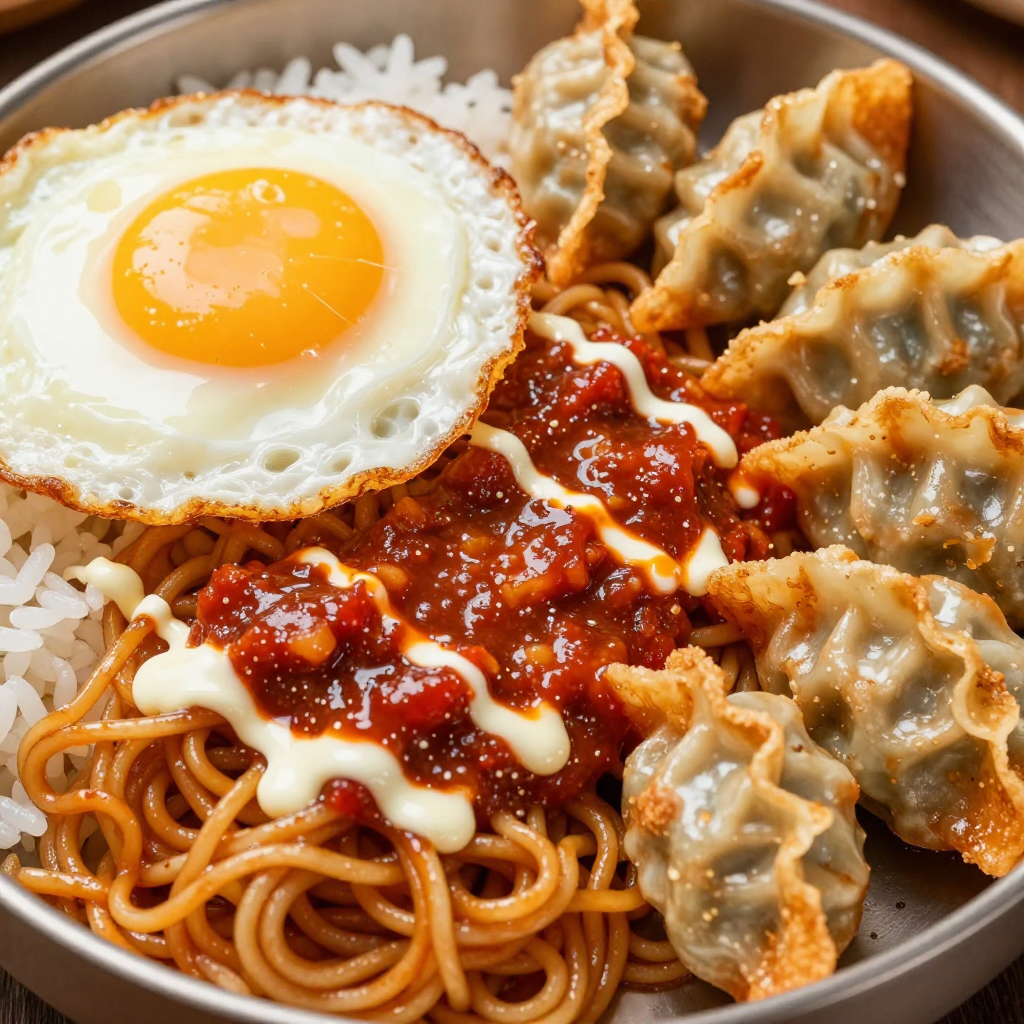
Harissa is a North African chili paste or sauce that combines peppers with garlic, spices, herbs, and often olive oil. Compared with Sriracha, it usually offers a thicker texture and a more layered flavor profile built for cooking as well as finishing.
Harissa recipes vary across North Africa and from one household to another. Common flavor partners include cumin, coriander, caraway, garlic, and olive oil, while some versions emphasize smoky dried peppers and others taste brighter and more herbal. These differences are part of the tradition, not flaws to be standardized away.
Because Harissa carries spices as well as chili heat, it can act as a seasoning foundation. Stir it into a stew, rub it onto vegetables, or loosen it with lemon juice for a marinade. Its paste-like body also clings well to grains, roasted foods, and grilled proteins.
Best Harissa pairings
- Stews and soups: Add Harissa near the beginning for depth or at the end for a fresher chili aroma.
- Grains: Fold it into couscous, bulgur, rice, or chickpeas with herbs and lemon.
- Roasted vegetables: Toss carrots, cauliflower, potatoes, or squash with Harissa and olive oil before roasting.
- Marinades: Blend it with yogurt, citrus, or olive oil for chicken, lamb, fish, tofu, or mushrooms.
Harissa’s trade-off is intensity of flavor rather than heat alone. Its spices can dominate a very delicate dish, so begin with a teaspoon, taste, and adjust. A spoonful stirred into plain yogurt is an easy way to soften the heat while keeping the aromatic character.
A Tour of Other Hot Sauce Traditions
Other hot sauce traditions differ through their peppers, acidity, texture, fermentation, and intended use. Comparing styles by these features is more useful than treating one regional sauce as the global standard.
Mexican salsas may be raw, roasted, or cooked, with ingredients such as tomatillo, tomato, onion, cilantro, and dried or fresh chili peppers. Their acidity and texture can shift dramatically depending on whether ingredients are charred, blended, or left chunky. They often accompany tacos, grilled foods, beans, and eggs.
Caribbean pepper sauces frequently highlight tropical brightness, aromatic vegetables, fruit, or mustard alongside chili peppers. Their sharp, lively character works well with seafood, rice dishes, grilled meats, and fried foods. Heat can range widely, so a regional label alone does not predict intensity.
Louisiana-style hot sauces commonly emphasize chili peppers, vinegar, and salt in a thin format. Their clean acidity makes them useful on fried chicken, seafood, greens, beans, and cocktails. Fermented pepper sauces from many parts of the world develop a deeper tang and savory complexity over time.
East Asian chili oils and pastes add another dimension through oil, toasted spices, sesame, soy, or fermented bean ingredients. They may bring fragrance and texture as much as heat. A sauce designed for dipping or noodles may not work as a direct substitute for a vinegar-based table sauce.
How Ingredients Shape Heat and Flavor
Ingredients shape hot sauce by controlling how heat is perceived, how long it lasts, and which foods the sauce complements. The most useful framework is to evaluate a sauce through five points: pepper, acid, aromatics, texture, and finish.
- Chili peppers: Fresh peppers can taste green and bright, while dried peppers often add fruitiness, earthiness, or smoke. Pepper variety affects both heat level and aroma.
- Vinegar and citrus: Vinegar provides a direct, lasting tang; lemon or lime can taste more fragrant and immediate. Acid cuts through fatty foods and wakes up grains and vegetables.
- Garlic, herbs, and spices: Garlic adds savory weight. Herbs create freshness, while cumin, coriander, caraway, and toasted spices create warmth and depth.
- Sweetness: Sugar, fruit, or honey rounds sharp chili heat and helps a sauce glaze proteins. Too much sweetness can obscure acidity and pepper character.
- Oil and texture: Oil carries fat-soluble aromas and gives a sauce a smooth, rich finish. A thick paste delivers concentrated seasoning; a thin sauce distributes quickly.
- Fermentation: Fermentation can add tang, savoriness, and complexity as microorganisms transform ingredients over time. It may also soften raw pepper notes, though the final flavor depends on the recipe and process.
Think of heat as only one part of the profile. A moderately hot sauce with high acidity may feel more lively than a hotter sauce cushioned by oil or sweetness. When choosing a bottle, ask whether you want brightness, depth, smokiness, garlic, or a long finish.
Choosing and Using Hot Sauce at Home
To choose and use hot sauce at home, match the sauce’s flavor profile and texture to the food, then add it gradually. This approach gives you control over heat while preserving the character of the meal.
A practical pairing method
- Identify the dish’s gap. Use vinegar-forward sauce when food feels heavy, a sweet chili sauce when it needs balance, or Harissa when it needs spice and aromatic depth.
- Consider the main ingredient. Garlic-rich Sriracha suits eggs, noodles, tofu, and fried snacks. Harissa works naturally with roasted vegetables, legumes, grains, and grilled proteins.
- Choose the delivery method. Drizzle thin sauces over finished food, whisk them into dressings, or use them as dips. Blend thick pastes into marinades, yogurt, soups, and grain dishes.
- Adjust in small amounts. Start with a quarter teaspoon for a single serving, mix thoroughly, and taste before adding more. Heat builds quickly in concentrated pastes.
Common mistakes are easy to avoid. Using a very acidic sauce on an already tart dish can make the meal harsh; balance it with fat, sweetness, or a creamy ingredient. Adding a complex paste too late may leave raw spice notes, while cooking it briefly in oil can release more aroma. Finally, do not judge a sauce by heat alone. A milder product with better acidity and garlic may be more useful than an intensely hot bottle that stays unused.
Building a More Global Condiment Pantry
A more global condiment pantry starts with contrast: keep sauces that offer different heat levels, textures, acidities, and aromatic profiles. A small selection of versatile products can cover far more meals than several bottles that taste nearly identical.
Consider beginning with three roles:
- A bright table sauce for eggs, seafood, beans, and fried foods.
- A sweet and garlicky sauce such as Sriracha for noodles, rice, snacks, and quick glazes.
- A spiced chili paste such as Harissa for stews, vegetables, grains, and marinades.
As you explore a condiment range, look for clear ingredient information, a texture suited to your cooking habits, and a flavor profile you can use repeatedly. Quality is practical: balanced acidity, recognizable aromatics, and a sauce that performs consistently make experimentation easier.
Store hot sauce according to the product label. Many commercially bottled sauces are shelf-stable before opening, while refrigeration after opening can help preserve flavor and quality. Clean the cap, avoid introducing food or water into the bottle, and rely on changes in smell, appearance, or texture as reasons to stop using a product.
Global Hot Sauce Culture FAQ
What is the difference between Sriracha and Harissa?
Sriracha is generally a smooth, pourable sauce with chili, garlic, sweetness, and acidity. Harissa is usually a thicker North African chili paste with garlic, oil, and warming spices such as cumin, coriander, or caraway. Sriracha often finishes a dish; Harissa frequently seasons it during cooking.
Which hot sauce is best for mild versus intense heat?
The best choice depends on the complete flavor profile, not a universal heat ranking. For gentler heat, choose a sauce balanced with sweetness, acidity, or oil and add it gradually. For more intensity, select a concentrated chili sauce or paste, but check the ingredient list because pepper variety and recipe strongly affect perceived heat.
How can hot sauce be paired with everyday meals?
Use Sriracha with eggs, noodles, rice, tofu, dumplings, and sandwiches. Use Harissa with roasted vegetables, chickpeas, couscous, soups, grilled proteins, and yogurt-based dips. Vinegar-forward sauces suit fried foods and seafood, while chili oils work well with noodles, greens, and steamed dishes.
Does fermentation change a hot sauce’s flavor?
Yes. Fermentation can create tangy, savory, and more rounded flavors while reducing some raw pepper sharpness. The effect varies with the peppers, salt, fermentation time, and later cooking or blending, so fermented sauces are not automatically hotter or better.
How should hot sauce be stored?
Follow the manufacturer’s storage instructions. Keep the bottle tightly closed, protect it from heat and direct sunlight, and refrigerate it after opening when the label recommends doing so. Use clean utensils and discard the sauce if it develops an unpleasant odor, unexpected mold, or other clear signs of spoilage.