How Food Brands Are Embracing Sustainability
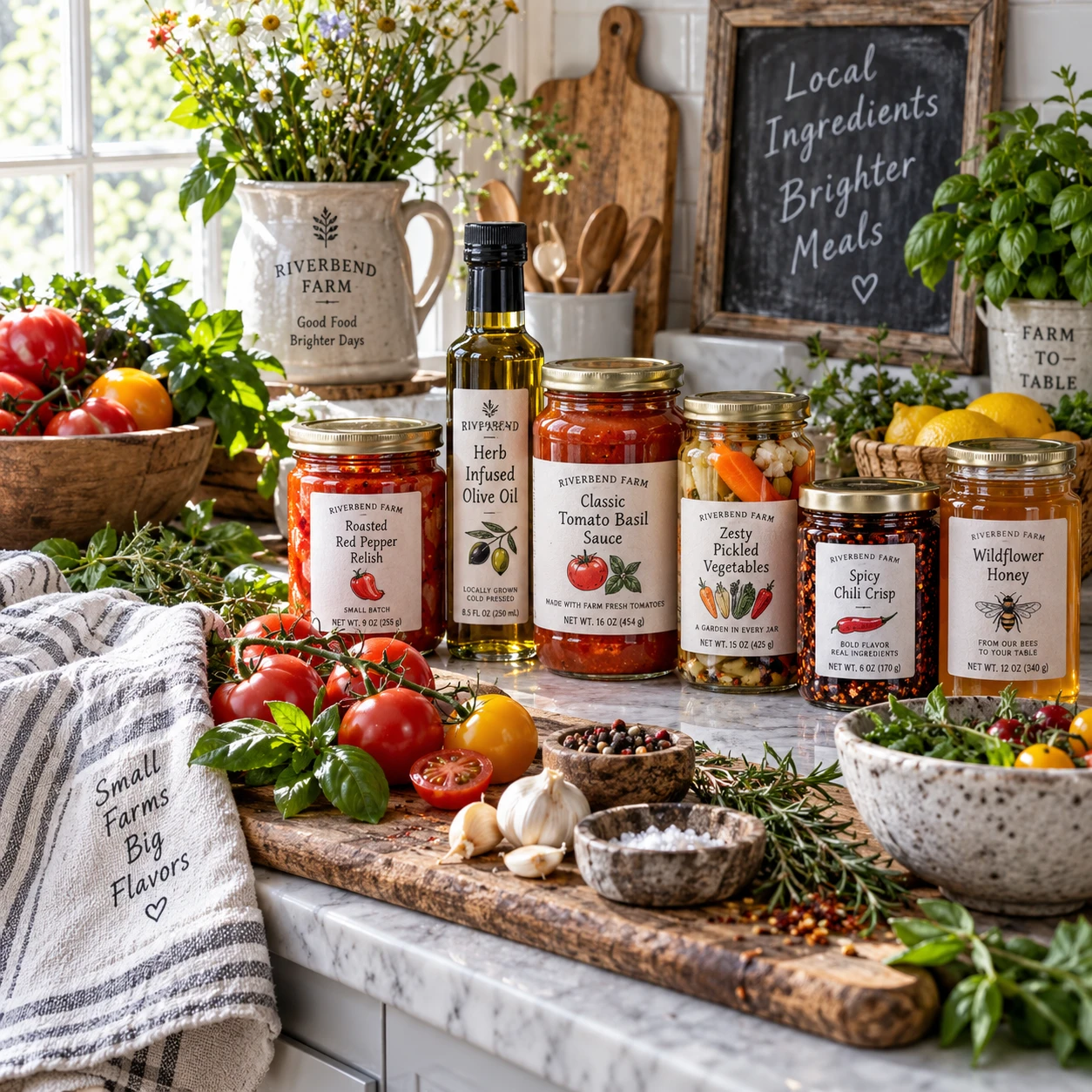
From the crops used in a sauce to the jar that holds it, a food product’s footprint reflects decisions made across its supply chain. Food brands are responding with changes to ingredient sourcing, farming relationships, packaging, and waste reduction. For condiments, those choices can involve everything from tomatoes and chilies to bottles, caps, labels, and transport.
Sustainability is rarely a single switch a company can flip. It is a series of practical choices, each with benefits and trade-offs. Understanding those choices helps consumers look past broad promises and see what a brand is actually changing.
What Sustainability Means for Food Brands
Sustainability for food brands means reducing environmental impacts across ingredients, production, packaging, and distribution while building practices a business can maintain. It combines operational decisions with clear measurement and honest communication.
A brand might work with suppliers to improve farming practices, reduce water or energy use in a production facility, prevent food waste, or redesign packaging. These actions can support a lower carbon footprint or use fewer resources, but no single measure captures the whole picture. A lighter package, for example, may reduce transport emissions but be difficult to recycle in a particular community.
It helps to think in terms of a product’s full journey: farm, factory, package, shipment, and disposal. For a condiment, this might mean checking where the vegetables and spices are grown, how ingredients are processed, whether production scraps can be used, and what happens to the container after the sauce is finished. A responsible approach weighs these stages together rather than treating one visible change as proof of overall sustainability.
Sourcing Ingredients More Responsibly
Responsible ingredient sourcing means knowing where ingredients come from and working with suppliers to improve how they are grown, harvested, and transported. Strong supplier relationships can make sustainability more practical and traceable.
Condiments rely on agricultural ingredients such as tomatoes, mustard seed, peppers, vinegar, herbs, and spices. Their origins and growing conditions matter. Brands can ask suppliers about farming practices, labor standards, water use, and how ingredients move through the supply chain. Transparency and traceability help a company connect a finished product to its suppliers and identify where more information is needed.
Some brands prioritize local and seasonal ingredients when availability, quality, and production needs allow. Buying nearby may shorten transport for certain ingredients, but local sourcing is not automatically lower-impact: growing conditions, storage, processing, and transport methods all matter. Seasonal purchasing can also require recipe or production planning so that a product remains consistent throughout the year.
Another approach is supporting regenerative agriculture, a broad term for farming practices intended to improve soil health and strengthen the long-term condition of farmland. Brands may work with growers on practices such as keeping soil covered or rotating crops. Results depend on the farm and the methods used, so specific commitments and progress reports are more informative than a label alone.
For a sauce maker, a practical first step might be mapping its highest-volume ingredients and asking suppliers for origin and production data. That does not solve every sourcing challenge, but it gives the brand a basis for choosing priorities and tracking change.
Rethinking Packaging for Food Products
Food brands can make packaging more sustainable by using less material, designing containers for reuse or recycling, and checking whether those options work in the markets where products are sold. The right choice depends on the product and local waste systems.
Condiment packaging must protect food from contamination, spoilage, and damage. Glass jars can be reused and are accepted for recycling in many places, but they are heavy to transport and not accepted everywhere. Plastic bottles can be lightweight and convenient, yet recycling depends on the resin, package design, and local collection facilities. A material’s name alone does not reveal its full impact.
Brands can start by reviewing the whole package: container, cap, label, seal, and outer carton. Simplifying components or reducing excess material may improve recyclability and cut packaging use. Reusable packaging systems can work where collection, washing, and return logistics are available; without those systems, a reusable container may not deliver its intended benefit.
- Reduce: Remove unnecessary packaging or use less material while still protecting the food.
- Design for recycling: Choose components that local programs can sort and process, and explain disposal steps clearly.
- Consider reuse: Test refill or return systems where customers have a convenient way to participate.
Good packaging decisions balance product safety, shelf life, transport, and end-of-life options. A change that reduces material but leads to more product spoilage may create a larger problem overall.
Reducing Waste Across the Supply Chain
Food brands reduce waste by preventing usable ingredients and finished products from being lost during farming, processing, storage, and distribution. Planning and measurement help identify where waste occurs before choosing a fix.
In condiment production, waste can come from missized produce, trimming, recipe changeovers, damaged packaging, or products that expire before sale. Some food scraps may be suitable for another use, such as animal feed or an ingredient stream, but food safety rules and processing requirements determine what is possible. Prevention is often the better starting point: more accurate forecasts, careful production scheduling, and improved storage can keep ingredients and products usable.
Distribution choices matter as well. Brands can coordinate order sizes and delivery schedules with retailers to reduce excess stock and avoid unnecessary trips. Better inventory information may help a company match production to demand, although forecasts cannot eliminate every seasonal fluctuation or supply disruption.
A useful way to assess waste efforts is to ask three questions: What material is being wasted? At which stage does it happen? How will the brand measure whether the change worked? Tracking food waste by weight or comparing production loss over time provides more useful evidence than simply saying a company is working to reduce waste.
Making Sustainability Clear to Consumers
Food brands communicate sustainability clearly by naming the action, its scope, and its current status. Specific, verifiable statements help consumers distinguish completed work from a future goal.
A claim such as “made with locally sourced tomatoes” is more useful when a brand explains what local means and identifies which products or ingredients it covers. Likewise, “recyclable packaging” should reflect the package components and the places where consumers can actually recycle them. Recycling access varies, so instructions should not imply that every community has the same options.
Brands should also separate current actions from future commitments. A supplier pilot, a target date, and a completed packaging change are different kinds of progress. Publishing the baseline, the boundary of a goal, and updates over time gives readers a clearer way to judge results. Independent standards or certifications can add context, but consumers should still check what a certification covers.
Vague terms such as “eco-friendly” or “green” do not explain the benefit or its limits. Clear wording might say that a company reduced the weight of a specific bottle, or that it is gathering farm-level data for selected ingredients. Precision builds trust even when progress is partial.
What Consumers Can Look For in Condiment Brands
To assess sustainability in condiment brands, check for specific information about ingredient origins, packaging, waste, and measurable progress. Look for details that apply to the product in your hand, not only broad company-wide language.
- Ingredient sourcing: Does the brand identify key ingredients, their origins, or the supplier practices it supports?
- Packaging instructions: Can you tell what the bottle, jar, cap, and label are made from and how to dispose of each part locally?
- Evidence of progress: Does the company share a baseline, a defined target, or updates on actions already taken?
- Supply-chain scope: Is a claim about one ingredient, one product line, or the entire business?
- Practical trade-offs: Does the brand explain how packaging protects food and addresses concerns such as spoilage or transport?
Be cautious when a prominent claim lacks a clear explanation or when packaging uses a sustainability symbol without disposal guidance. A lack of detailed information does not automatically prove a brand is doing nothing, but it does mean consumers have less evidence to evaluate. When details matter to you, check the company’s product and sustainability information or ask a direct question.
Building Progress Over Time
Sustainability is an ongoing process: food brands set priorities, measure a starting point, make changes, and report what happens next. Continuous improvement is more credible when goals are specific and progress is shared honestly.
A condiment brand might begin by mapping its most-used agricultural ingredients, then work with suppliers to improve traceability. It could review packaging in parallel, testing a lighter container while checking shelf life and recycling access. Those projects may involve cost, equipment changes, and supplier capacity, so a phased plan can be more realistic than promising an immediate overhaul.
For consumers, the useful question is not whether a product is perfectly sustainable. It is whether the brand can explain its priorities, show evidence of action, and acknowledge what remains unresolved. Better sourcing, less packaging, lower waste, and transparent reporting can each contribute to progress when they are suited to the product and measured over time.