How to Make Your Own Gourmet Ketchup at Home: A Step-by-Step Guide
Most people have never tasted truly great ketchup. The kind that's thick, complex, and just a little surprising — where you catch a whisper of warm spice behind the tang, and the sweetness doesn't feel like a sugar punch. That ketchup doesn't come from a squeeze bottle. It comes from your kitchen, about two hours of slow simmering, and a handful of ingredients chosen with intention.
This guide walks you through every step of making a small-batch gourmet ketchup at home — from choosing your tomatoes to sealing your jars. Whether you're cooking for your family or exploring artisan condiment-making as a creative project, the process is more approachable than you'd expect.
Why Homemade Ketchup Beats the Bottle
Homemade ketchup wins on flavor, quality, and control — three things no mass-produced condiment can fully deliver. Commercial versions are engineered for shelf stability and broad appeal, which means they're loaded with high-fructose corn syrup, stabilizers, and a flavor profile flattened to offend no one.
When you make your own, you decide the sweetness level, the acidity, the spice depth. You can lean into smoky paprika for a BBQ-forward version, or add a splash of tamarind for something more complex. The result is a gourmet condiment that actually reflects your palate — not a focus group's compromise.
There's also the ingredient quality gap. A homemade batch built on ripe tomatoes, raw apple cider vinegar, and a proper spice blend simply tastes more alive. The difference is noticeable the first time you dip a fry into a jar you made yourself.
Choosing the Right Tomatoes (and When to Use Paste)
Fresh tomatoes, canned whole tomatoes, and tomato paste each produce a different result — and the right choice depends on the season, your time, and the texture you're after.
Fresh tomatoes (ideally Roma or San Marzano varieties) give you the brightest, most vibrant flavor. They require more prep — blanching, peeling, and a longer reduction — but the result is noticeably fresher. Use them in peak summer when tomatoes are actually ripe.
Canned whole or crushed tomatoes are the practical everyday choice. They're consistent year-round, already broken down, and reduce beautifully. Look for cans with no added salt or citric acid if you want full control over flavor.
Tomato paste works best as a booster rather than a base. Adding 2–3 tablespoons to your simmering batch intensifies the tomato depth and helps the ketchup reach a richer color without hours of extra reduction. It's a smart shortcut that doesn't feel like cheating.
The Essential Ingredients for Gourmet Flavor
A truly great ketchup is built on flavor balance — the interplay of sweet, sour, savory, and warm spice. Each ingredient has a specific job.
- Apple cider vinegar: The backbone of acidity. Raw, unfiltered ACV adds brightness and a subtle fruity note that white vinegar can't match. Start with ¼ cup per 28 oz of tomatoes and adjust from there.
- Brown sugar or natural sweeteners: Brown sugar adds sweetness with a faint molasses depth. Honey or coconut sugar work well for a less refined profile. Use 2–4 tablespoons depending on your tomato's natural sweetness.
- Spice blend: This is where most homemade ketchup recipes fall short. A proper gourmet spice blend includes ground cloves, allspice, cinnamon, and smoked paprika. These warm spices are what give ketchup its characteristic complexity — not just tomato and vinegar.
- Umami depth: A teaspoon of Worcestershire sauce or a small amount of tamarind paste transforms a flat ketchup into something layered and memorable. These ingredients add savory depth that makes the flavor feel "complete."
- Aromatics: Onion and garlic, cooked down soft before the tomatoes go in, build a savory foundation that ties everything together.
The goal is flavor balancing — no single note should dominate. If your batch tastes too sharp, add a pinch of sugar. Too flat? A splash more vinegar. Too sweet? A touch more spice. Taste as you go.
Step-by-Step: How to Make Gourmet Ketchup at Home
This recipe makes approximately two cups of finished ketchup — a manageable small batch that's easy to adjust and perfect for first-timers.
What you'll need: 1 can (28 oz) whole peeled tomatoes or 2 lbs fresh Roma tomatoes, 2–3 tbsp tomato paste, ¼ cup apple cider vinegar, 3 tbsp brown sugar, 1 small onion (diced), 2 garlic cloves (minced), 1 tsp smoked paprika, ½ tsp ground allspice, ¼ tsp ground cloves, ¼ tsp cinnamon, 1 tsp Worcestershire sauce, salt to taste.
- Cook the aromatics. In a heavy-bottomed saucepan, heat a drizzle of oil over medium heat. Add the diced onion and cook for 8–10 minutes until soft and translucent. Add the garlic and cook for another minute until fragrant.
- Add tomatoes and paste. Pour in your tomatoes (crush them with your hands if using whole canned), then stir in the tomato paste. Bring to a gentle simmer.
- Add vinegar, sugar, and spices. Stir in the apple cider vinegar, brown sugar, paprika, allspice, cloves, cinnamon, and Worcestershire sauce. Mix well.
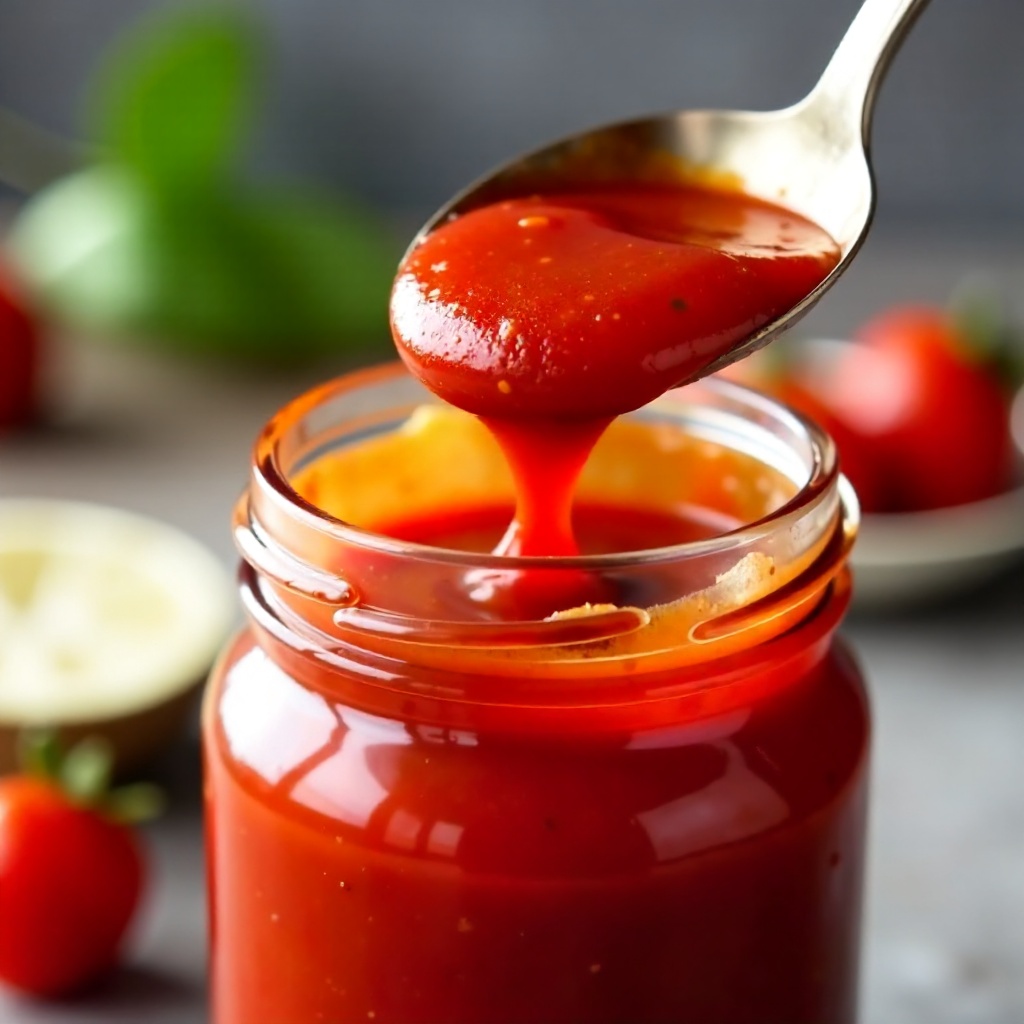
- Slow simmer for reduction. Reduce the heat to low and let the mixture cook uncovered for 45–60 minutes, stirring occasionally. The slow simmering and reduction process concentrates the flavor and thickens the texture. You're looking for a jammy consistency that holds its shape on a spoon.
- Blend until smooth. Remove from heat and let cool slightly. Use an immersion blender or transfer to a countertop blender and process until completely smooth.
- Strain (optional). For an ultra-smooth, restaurant-quality texture, pass the blended ketchup through a fine mesh sieve. This step takes five minutes and makes a noticeable difference.
- Taste and adjust. This is the most important step. Taste your ketchup and adjust — more vinegar for tang, more sugar for sweetness, more paprika for smokiness. Let it cool completely before the final judgment; flavors shift as the ketchup chills.
Flavor Variations to Make It Your Own
Once you've nailed the base recipe, the real fun begins. Homemade ketchup is one of the most customizable condiments in the kitchen — small ingredient swaps create dramatically different results.
- Smoky Chipotle Ketchup: Add 1–2 chipotle peppers in adobo sauce during the simmering stage. The result is deep, smoky, and gently spicy — exceptional with grilled meats.
- Spiced Tamarind Ketchup: Replace half the apple cider vinegar with tamarind paste and add a pinch of cumin. This version leans tangy and complex, inspired by South Asian flavor profiles.
- Honey-Garlic Ketchup: Swap brown sugar for raw honey and double the garlic. Finish with a squeeze of lemon juice. Sweet, aromatic, and great on roasted vegetables or grain bowls.
- Spicy Calabrian Ketchup: Stir in a tablespoon of Calabrian chili paste after blending for a bright, fruity heat that builds slowly. This is the version that makes people ask what's in it.
How to Store Homemade Ketchup Safely
Homemade ketchup stored in a clean, sealed jar in the refrigerator stays fresh for up to three weeks. Because it contains vinegar and has been cooked, it's reasonably shelf-stable once chilled — but it lacks the commercial preservatives that extend store-bought shelf life.
For longer storage, sterilized jar canning is the right approach. Sterilize glass jars by submerging them in boiling water for 10 minutes. Fill the hot jars with hot ketchup, leaving ¼ inch of headspace, then seal and process in a boiling water bath for 15 minutes. Properly canned ketchup keeps for up to 12 months in a cool, dark pantry. Once opened, refrigerate and use within three weeks.
For guidance on safe home canning practices, the National Center for Home Food Preservation offers tested procedures you can rely on.
If canning feels like too much for a first batch, simply divide your ketchup between two small jars, refrigerate one, and freeze the other. Frozen ketchup thaws well and keeps for up to six months.
Tips for Getting the Perfect Consistency and Taste
The most common issues with homemade ketchup are easy to fix once you know what caused them.
Too thin: You need more reduction time. Return the ketchup to low heat and simmer uncovered, stirring frequently, until it thickens. Adding an extra tablespoon of tomato paste also helps quickly. Avoid the temptation to crank up the heat — it scorches the bottom and muddies the flavor.
Too sweet: Add apple cider vinegar in small increments (½ teaspoon at a time) and stir well before tasting again. A pinch of salt can also help balance sweetness without adding sourness.
Too acidic: A small amount of brown sugar or honey will round out sharp vinegar notes. Alternatively, a pinch of baking soda neutralizes acidity directly — but use it carefully, no more than ⅛ teaspoon at a time, or you'll flatten the flavor entirely.
Flavor tastes flat: This usually means the spices need more time to bloom. If you added them late in the cooking process, simmer for another 10–15 minutes. A few drops of Worcestershire sauce or a tiny pinch of cloves can also revive a dull batch.
Frequently Asked Questions
Can I use fresh tomatoes instead of canned or paste?
Yes, and the flavor is often brighter and more vibrant. Blanch, peel, and roughly chop about 2 pounds of Roma or San Marzano tomatoes before adding them to the pot. Expect a longer reduction time — up to 90 minutes — since fresh tomatoes contain more water than canned.
How long does homemade ketchup last in the fridge?
Stored in a clean, sealed glass jar, homemade ketchup keeps well for 2–3 weeks in the refrigerator. Always use a clean spoon to avoid introducing bacteria that shorten shelf life.
Is homemade ketchup healthier than store-bought?
It can be. The main advantage is ingredient control — you can eliminate high-fructose corn syrup, reduce sodium, and skip artificial additives. That said, ketchup is still a condiment used in small amounts, so the health impact is modest either way. The real win is knowing exactly what's in it.
Can I make this ketchup without added sugar?
Yes, though the flavor balance will shift. Without sweetener, the vinegar and tomato acidity becomes more prominent. Try using roasted carrots or a small amount of medjool date paste as natural sweeteners — both add body and mild sweetness without refined sugar.
What's the best way to thicken ketchup that's too runny?
The simplest fix is more reduction time over low heat. If you're in a hurry, stir in 1–2 tablespoons of tomato paste and simmer for another 10 minutes. Avoid thickening agents like cornstarch — they change the texture in a way that doesn't suit ketchup.
Making your own gourmet ketchup is one of those kitchen projects that pays back more than you put in. The process is meditative, the result is genuinely better than anything shelf-bought, and once you've done it once, you'll find yourself tweaking the recipe every time — chasing that perfect jar.