The History and Evolution of Popular Condiments: From Ancient Flavors to Modern Staples
Every squeeze of ketchup, every dollop of mustard, every splash of hot sauce carries thousands of years of human ingenuity behind it. Condiments are so woven into daily eating that it's easy to forget they once solved urgent problems — how to preserve food, mask spoilage, or stretch scarce ingredients. Their histories are, in many ways, a compressed record of trade, migration, and culinary invention.
What Is a Condiment? A Definition Rooted in History
A condiment is any sauce, paste, or seasoning added to food at the table or during preparation to enhance flavor, texture, or appeal. The word itself traces back to the Latin condimentum, meaning seasoning or spice — a reminder that the concept is genuinely ancient.
But the definition has always been elastic. In different eras, condiments served as medicine, currency, and status symbol before they became the everyday staples we know. Understanding that flexibility is key to appreciating why condiment history matters to food culture at large. These aren't just toppings. They're artifacts of how humans have related to flavor, preservation, and pleasure across millennia.
Ancient Origins: The First Condiments in Human History
The oldest condiments were almost certainly products of fermentation and preservation, not deliberate flavor creation. Vinegar — produced when alcohol ferments further into acetic acid — appears in records from ancient Babylon around 5,000 years ago, used both as a food preservative and a medicinal tonic.
Fermented fish sauces were equally widespread. The Romans relied heavily on garum, a pungent liquid made from salted, fermented fish entrails, to season everything from stews to flatbreads. Similar preparations appeared independently across East and Southeast Asia, laying the groundwork for what would eventually become soy sauce and fish sauce. These early condiments weren't luxuries — they were practical tools for making food safe and palatable.
Mustard seeds appear in ancient Indian and Sumerian texts, and the Romans mixed ground mustard with wine to create a paste strikingly similar to what we'd recognize today. The fact that mustard traveled this far, this early, speaks to how trade routes carried flavors alongside goods.
The Journey of Ketchup: From Fish Sauce to Tomato Icon
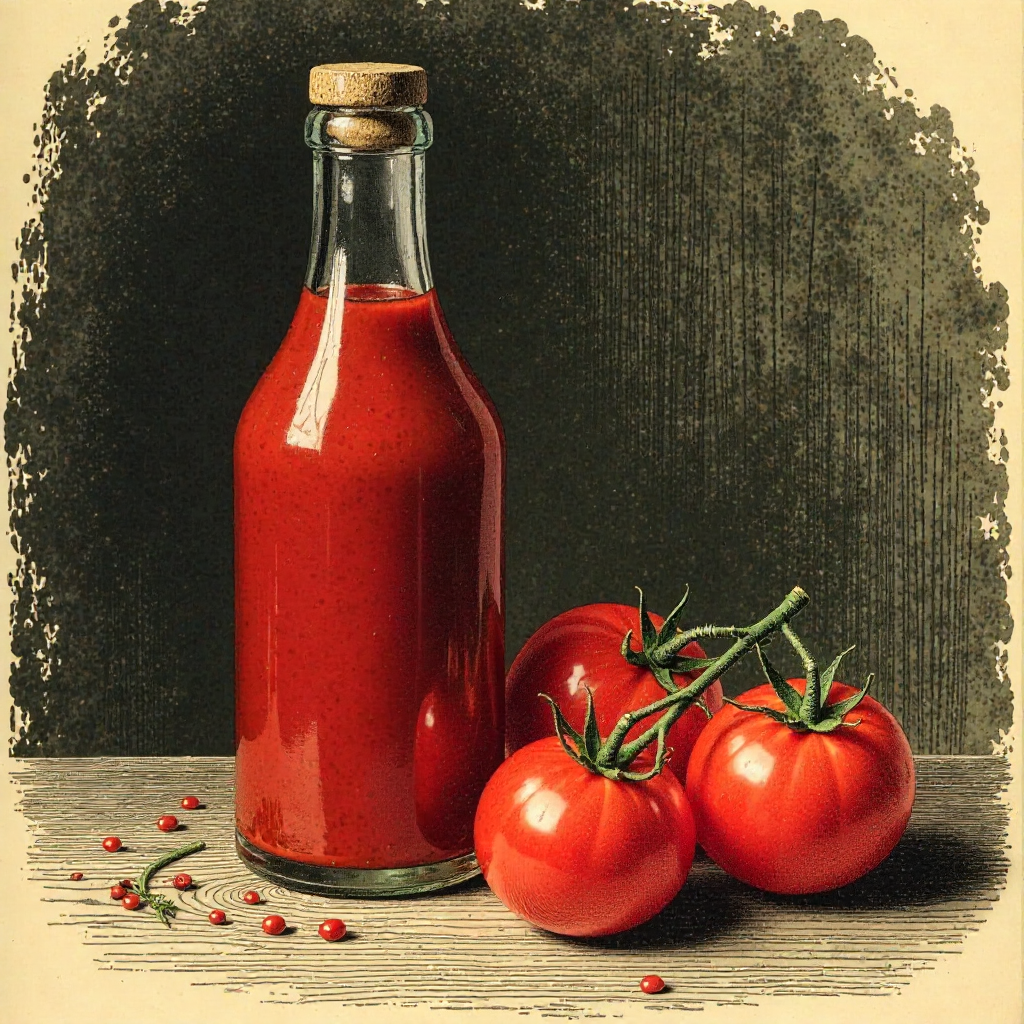
Ketchup's origin story is one of the great surprises in food history: the original versions contained no tomatoes whatsoever. The word likely derives from the Hokkien Chinese kê-tsiap, a fermented fish brine that traders carried across Southeast Asia in the 17th century.
British sailors encountered this sauce and brought versions of it home, where cooks began experimenting with local substitutes — mushrooms, walnuts, oysters, and anchovies all appeared in early English "catsup" recipes. Tomatoes entered the picture only in early 19th-century America, where they were gradually accepted after decades of suspicion (tomatoes were long believed to be poisonous in parts of Europe and North America).
The shift to tomato ketchup happened slowly, then suddenly. By the late 1800s, Henry J. Heinz had commercialized a shelf-stable, vinegar-preserved tomato ketchup that standardized the flavor profile most people recognize today. His formula — sweet, tangy, thick — became the global benchmark. You can explore more about the broader story of fermented and preserved condiments at resources like the Wikipedia entry on ketchup, which traces the full etymological and culinary lineage.
Mustard, Mayonnaise, and the Rise of European Condiments
European condiment culture developed its own distinct character, shaped by local agriculture, trade monopolies, and royal kitchens. Mustard and mayonnaise became two of its most enduring contributions.
Dijon, in the Burgundy region of France, became synonymous with mustard production by the 13th century — partly because the region grew excellent mustard seeds and partly because Burgundian dukes actively promoted local production. The shift from verjuice (unfermented grape juice) to vinegar as the binding liquid in the 19th century gave Dijon mustard its sharper, cleaner bite.
Mayonnaise has a murkier origin. The most popular story places its invention at Port Mahon in Minorca around 1756, when a French chef improvised an emulsified sauce from eggs and oil after a military victory. Whether or not that specific story is accurate, mayonnaise spread rapidly through French cuisine and became a foundational sauce in classical cooking — the base for remoulade, aioli, and dozens of derivative preparations.
What's notable about both condiments is how they democratized rich flavors. Mustard made preserved meats more palatable for ordinary people. Mayonnaise brought a creamy richness to dishes that previously required expensive butter or cream. Accessibility drove adoption, not just taste.
Hot Sauce and Soy Sauce: Global Flavors Go Mainstream
Hot sauce and soy sauce both owe their global reach to fermentation, trade, and the particular way their flavors complement almost any cuisine. Their paths to mainstream kitchens, however, were very different.
Soy sauce originated in China more than 2,500 years ago, evolving from earlier fermented soybean pastes. The process — fermenting soybeans with roasted grain, water, and salt — produces a deeply savory liquid rich in umami compounds. It spread to Japan, Korea, and Southeast Asia through centuries of cultural exchange, with each region developing distinct regional styles. Japanese shoyu, Korean ganjang, and Indonesian kecap manis all share the same ancient ancestor.
Hot sauce has a parallel story rooted in the Americas. Indigenous peoples across Mesoamerica had cultivated and consumed chili peppers for thousands of years before European contact. After the Columbian Exchange brought chilies to Africa, Asia, and Europe in the 16th century, fermented and vinegar-based hot sauces developed independently across multiple cultures. Louisiana-style hot sauce — vinegar, chili, salt — became commercially dominant in the United States by the late 19th century, with brands like Tabasco (established 1868) setting the template.
The global appetite for spice has only grown since. Hot sauce is now one of the fastest-growing condiment categories worldwide, driven by increasing consumer interest in bold, complex flavors from global cuisines.
The Industrial Era: How Brands Shaped Modern Condiments
Mass production transformed condiments from homemade staples into standardized commercial products, and the shift happened remarkably fast. Between roughly 1860 and 1920, bottling technology, refrigeration advances, and new food safety awareness converged to create the modern condiment industry.
Heinz, Lea & Perrins (Worcestershire sauce), and French's (mustard) weren't just food companies — they were trust-builders. Early commercial condiments faced real skepticism because consumers had no way to verify what was inside a bottle. Brands responded with transparent labeling, consistent recipes, and aggressive quality messaging. Heinz famously promoted his factory's cleanliness as a selling point at a time when food adulteration was a genuine public concern.
Worcestershire sauce itself is a product of this era's experimental spirit. Developed in Worcester, England, around 1837 by chemists John Wheeley Lea and William Henry Perrins, it was reportedly based on a recipe brought from India — a blend of fermented anchovies, tamarind, molasses, and spices that tasted unpleasant when first made but mellowed into something complex after aging. It's a reminder that some of the best condiments require patience.
Commercial production also meant recipe standardization, which had a double edge. Consistency was a genuine benefit — consumers knew exactly what they were buying. But it also flattened regional variations that had existed for centuries, replacing dozens of local mustard styles or hot sauce recipes with a handful of dominant national brands.

Condiments Today: Trends, Craft Revival, and What's Next
Modern condiment culture is pulling in two directions simultaneously: toward global fusion and toward artisan revival. Both trends are direct responses to the standardization of the industrial era.
Craft hot sauces, small-batch fermented mustards, and single-origin soy sauces have carved out significant market space over the past decade. Consumers increasingly want to know where ingredients come from and how sauces are made — a curiosity that mirrors the transparency push of the 19th-century brands, just applied to provenance rather than safety.
At the same time, global migration and food media have introduced mainstream audiences to condiments that were previously niche: Korean gochujang, Japanese yuzu kosho, Yemeni zhug, and West African shito now appear on restaurant menus and supermarket shelves that would have carried only ketchup and yellow mustard a generation ago.
Health-conscious reformulations are also reshaping familiar products — reduced sugar ketchups, probiotic-rich fermented hot sauces, and low-sodium soy alternatives reflect how condiment makers are adapting to changing nutritional priorities without abandoning flavor.
The arc from ancient fish brine to small-batch fermented chili paste is long, but the underlying human impulse is consistent: find ways to make food more interesting, more satisfying, and more worth sharing.
Frequently Asked Questions
What is the oldest known condiment in history?
Vinegar is among the oldest documented condiments, with evidence of use dating back roughly 5,000 years in ancient Babylon. Fermented fish sauces from ancient Rome and East Asia are similarly ancient, making fermentation the foundational technology behind the earliest condiments.
Why was ketchup originally not made with tomatoes?
Early ketchup derived from Southeast Asian fermented fish brines, which British traders encountered in the 17th century. When the recipe traveled to Europe, cooks substituted local ingredients like mushrooms, oysters, and walnuts. Tomatoes were widely considered toxic in much of Europe and North America until the early 19th century, which delayed their adoption as a ketchup base.
How did hot sauce become so popular worldwide?
The Columbian Exchange spread chili peppers from the Americas to the rest of the world after the 16th century. Combined with growing consumer appetite for bold flavors and increased exposure to global cuisines through travel and food media, hot sauce grew from a regional specialty into one of the world's most consumed condiments.
What role did fermentation play in early condiment-making?
Fermentation was the primary preservation technology available before refrigeration. It allowed ingredients like fish, soybeans, and chilies to be safely stored for months while developing complex, savory flavors. Many foundational condiments — soy sauce, fish sauce, Worcestershire sauce, and certain hot sauces — are direct products of fermentation.
How have condiment recipes changed with modern food production?
Industrial production standardized recipes for consistency and shelf stability, often adding preservatives, stabilizers, and sweeteners that weren't present in traditional versions. More recently, health trends have pushed reformulations toward reduced sugar, lower sodium, and probiotic-friendly processes — essentially circling back toward some of the simpler, fermentation-based methods used centuries ago.