The Role of Condiments in Culinary Traditions Around the World
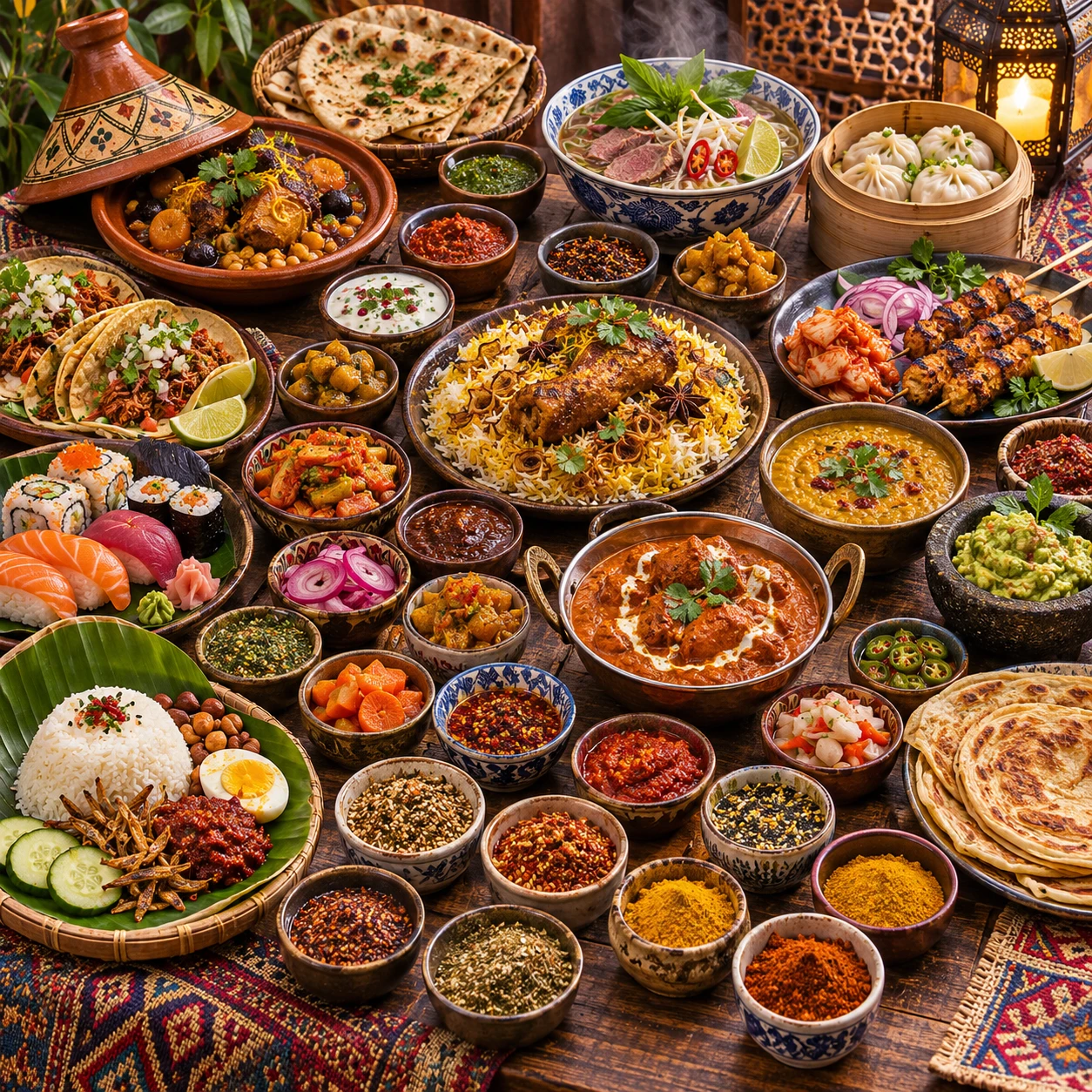
Condiments do more than add heat or tang. Across culinary traditions, they express the character of regional cuisines, make use of local ingredients, and help people shape each bite to their taste. A spoonful of fermented paste, a pinch of spice blend, or a sharp pickle can connect an everyday meal to a place, a season, and a family’s food culture.
There is no single way to serve or use a condiment. Some are cooked into a dish; others are prepared separately and set on the table. Understanding that difference is a practical first step toward appreciating the flavors and customs behind them.
More Than a Flavor Boost
Condiments contribute flavor, aroma, texture, and balance, giving traditional dishes a distinctive character. They can brighten rich food, soften heat, deepen savory notes, or add a crisp contrast.
Think of a meal as a composition. A sauce can bring acidity that lifts a fatty dish, while toasted spices may add warmth and fragrance. A relish or pickle can offer crunch against soft grains or braised vegetables. These effects are part of flavor balance, the way tastes and textures work together rather than compete.
Condiments also let diners adjust a meal without changing its foundation. A cook may season a stew to suit the household, then serve fresh herbs, chili, or a tart sauce alongside it. Each person can add a little, or none at all. The condiment becomes part of the meal’s character while leaving room for individual preference.
That flexibility helps explain why the same condiment may appear with several dishes. Its role can shift: a chili sauce might season a cooking pot, accompany a grilled food, or be stirred into a bowl at the table. The name alone does not tell you how it is meant to be used; preparation and local custom matter.
How Place Shapes Condiments
Regional condiments reflect the ingredients people can grow, gather, trade, or preserve, as well as the tastes that develop around them. Climate and local food customs influence which flavors become everyday staples.
Where citrus grows readily, its juice or peel can bring brightness to sauces and marinades. In places with abundant herbs, fresh green mixtures may accompany grilled foods or vegetables. Chilies, seeds, roots, dairy, fruit, and alliums each offer different possibilities, shaped by local agriculture and cooking habits.
Ingredients do not dictate one fixed recipe. A region may contain many communities, and neighboring households can prepare different versions of a familiar condiment. Recipes change with season, access, and personal taste. Trade and migration also introduce ingredients that cooks adapt to local dishes over time.
Consider spice blends: they are not interchangeable mixes with a universal flavor. The ingredients, proportions, and uses vary by region and household. One blend may season a stew from the start; another may be toasted and added near the end. Learning the name and customary use of a blend gives more context than treating it as a generic curry or barbecue seasoning.
For home cooks, this is a useful principle: start with the condiment’s ingredients and traditional role, then decide how it might fit your meal. A regional sauce can be delicious beyond its usual pairing, but its original context helps you understand what its flavors are designed to do.
Condiments as Cultural Tradition
Condiments become part of culinary tradition through repeated use: family recipes, shared meals, local celebrations, and everyday table habits. Their meaning often comes from how people prepare and serve them, not only from their ingredients.
A recipe passed between generations may preserve a particular texture or method: grinding by hand, adding an ingredient gradually, or letting a mixture rest before serving. Even when cooks adjust quantities, those techniques carry memory. The condiment can evoke a familiar kitchen or a meal shared with relatives.
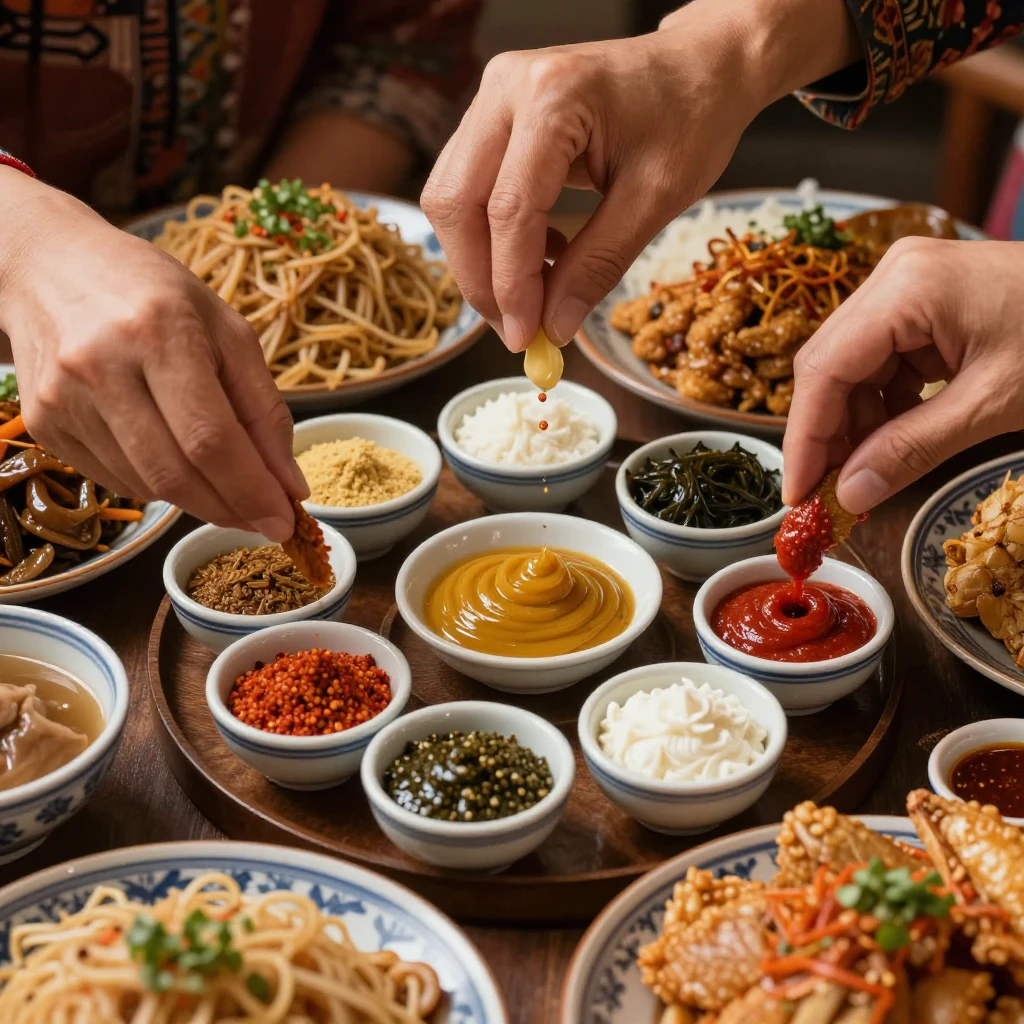
Table customs matter, too. In one setting, a sauce may be placed in a communal bowl; in another, each diner receives an individual portion. Some condiments are offered freely, while others are used sparingly or reserved for particular dishes. These choices reflect hospitality and local ideas about how a meal should unfold.
Food culture is specific and varied. A condiment associated with a broad region may have many versions, and no single recipe represents every community within it. When exploring a tradition, look for the dish, region, and customary use rather than assuming a sauce has the same meaning everywhere.
Curiosity can be expressed through simple choices: learn the name of a condiment, ask how it is usually served, and taste it with its customary dish when possible. That approach respects the knowledge behind the food while making room for personal enjoyment.
Preservation, Fermentation, and Craft
Preservation methods help turn seasonal or perishable ingredients into condiments with lasting flavor. Fermentation, salting, drying, and pickling each change ingredients in distinct ways and often reflect local craft.
Fermentation uses the activity of microorganisms to transform food. Depending on the ingredients and process, it can create sour, savory, or deeply aromatic flavors. Fermented vegetables, bean pastes, fish-based seasonings, and other preparations appear in different food traditions, each with its own methods and uses. They should not be treated as one category of identical taste.
Other techniques preserve ingredients without fermentation. Drying concentrates flavor and makes herbs or chilies easier to store. Salting draws moisture from foods and seasons them. Pickling uses acidic brine or another method suited to the recipe. The final taste depends on the ingredient, preparation, time, and local practice.
Craft also means knowing when to stop. A condiment may need to remain crisp, retain a fresh aroma, or develop a particular degree of sourness. For cooks making these foods at home, food safety matters: follow a tested recipe and reliable preservation guidance, especially for products stored at room temperature. Traditional methods can be meaningful, but improvising preservation steps can create risks.
When buying a preserved condiment, check its ingredients and storage instructions. Some need refrigeration after opening; others are shelf-stable until opened. Their salt, acidity, and intensity can vary, so taste before adding a large amount to a dish.
A Condiment’s Role at the Table
At the table, sauces, pastes, pickles, and seasonings can accompany a dish, finish it, or allow each diner to adjust the flavor. The customary serving style depends on the condiment and the meal.
Some condiments belong in the cooking process. Adding them early can help their flavors blend into a stew, sauce, or marinade. Others are best added at the end, when their fresh aroma or sharp acidity can remain distinct. A table condiment offers another option: diners add it to their own portion, often in small amounts.
To decide when to use one, consider its texture and intensity:
- Cooked-in condiments often provide a savory base or seasoning that spreads through the dish.
- Finishing condiments can supply freshness, fragrance, or a final note of acidity.
- Table condiments give diners control over heat, salt, or tang without requiring a separate version of the main dish.
These are useful categories, not strict rules. A condiment may serve more than one purpose, and regional customs take precedence over a general cooking tip. If a dish is traditionally served with a sauce on the side, try that arrangement first; it lets you notice how the sauce changes each bite.
Bringing Tradition into Everyday Cooking
You can explore culturally rooted condiments at home by learning their ingredients and customary use, tasting them in small amounts, and pairing them thoughtfully. This keeps experimentation enjoyable while respecting the traditions behind the food.
A simple approach is the taste, context, pair method:
- Taste: Try a small amount on its own, noting saltiness, acidity, heat, sweetness, texture, and aroma.
- Context: Find out which dishes it commonly accompanies and whether it is cooked in or served at the table.
- Pair: Begin with the customary dish when possible. Then test a small portion with a familiar food that shares a useful quality, such as richness, mildness, or crisp texture.
For example, if a condiment is sharp and salty, try a little beside a mild grain or vegetable rather than mixing several spoonfuls into the whole pot. If it is a concentrated chili paste, add it gradually and taste as you go. This preserves your ability to adjust the dish and helps you understand the condiment’s effect.
Avoid assuming that a condiment labeled with a broad regional name has one standard flavor. Brands and recipes differ, and a product’s salt or heat level may be stronger than expected. Read the label, use a clean spoon, and follow storage directions. If cooking for others, serve a potent sauce separately so guests can choose how much they want.
Exploration does not require a perfect replica of a traditional meal. Start with knowledge and care, then adapt to the ingredients you have. A condiment can open a path into a food tradition, but the dish, technique, and customs around it provide the fuller picture.
Frequently Asked Questions
What makes a condiment part of a culinary tradition?
A condiment becomes part of a culinary tradition through established uses, local ingredients, preparation methods, and repeated place in everyday meals or celebrations. Family practice and table customs can be just as significant as the recipe.
How do local ingredients influence traditional condiments?
Available ingredients shape a condiment’s flavor, texture, and method of preparation. Local herbs, chilies, fruits, seeds, or preserved foods may become central to a regional version, while trade and changing access can influence recipes over time.
How can I use unfamiliar condiments in home cooking?
Taste a small amount first, learn what dishes it commonly accompanies, and begin with a modest serving. Keep it separate from the full dish until you know its saltiness, heat, and intensity.
Should condiments be added during cooking or served at the table?
It depends on the condiment and the dish. Some are cooked in to build a base flavor, some are added at the end for freshness, and others are traditionally served alongside the meal so diners can adjust their portions.